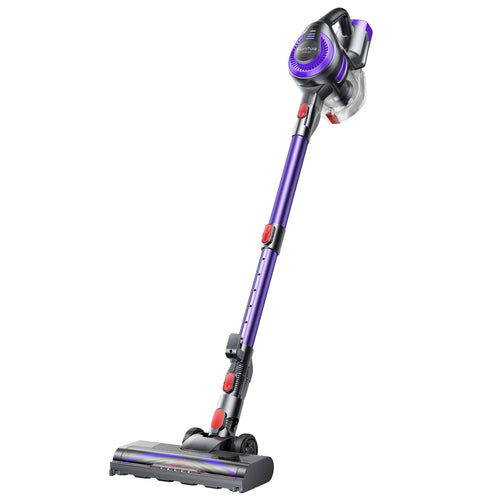
Cordless vacuum cleaners are a convenient and efficient choice for everyday home cleaning. But over time, battery life becomes more important, especially as the battery starts to lose its ability to hold a charge. Since the battery plays a key role in how long you can use your vacuum between charges, it’s helpful to know how long it typically lasts and how to take care of it.
How Long Does a Cordless Vacuum Cleaner Battery Last?
The lifespan of a cordless vacuum cleaner battery can vary depending on several factors. In general, a battery typically lasts 2–3 years. The main factors that affect battery life include:
Vacuum Battery Type:
Battery type is a key factor. Currently, the mainstream battery types on the market include nickel-metal hydride (NiMH), lithium-ion (Li-I) batteries, and lithium iron phosphate (LFP) batteries. Li-Ion batteries, due to their high energy density, long lifespan, and light weight, are the mainstream choice for cordless vacuum cleaners.
Battery Capacity:
Battery capacity is another factor that affects how long a cordless vacuum can run between charges. In general, a larger battery capacity means a longer runtime. When shopping for a cordless vacuum cleaner, check the battery capacity listed in the product specifications to get a better idea of its expected runtime.
Usage Frequency and Number of Charges:
How often you use your cordless vacuum can also affect battery life. Frequent use means more charging cycles, which can gradually wear down the battery over time. Like most rechargeable batteries, a vacuum battery has a limited number of charge cycles, and its capacity gradually decreases as more cycles are completed.

Why Does the Battery Life of a Vacuum Cleaner Shorten?
Most cordless vacuum batteries last around 2–3 years. After that, it’s normal to notice a drop in performance. Even with proper care, batteries will eventually lose capacity as they age. Once the battery reaches the end of its lifespan, replacing it is the most common solution.
Today, many cordless vacuums come with removable, replaceable battery packs, which makes battery replacement much easier than it is with built-in batteries. If your vacuum starts running for less time or the battery no longer holds a charge, replacing the battery pack is often all you need to get it back to normal.
Just make sure the battery replacement is designed for your specific vacuum model and has the same specifications as the original. Using the wrong battery can affect performance and may even cause safety issues. It’s also a good idea to choose a battery from a reputable brand rather than going with the cheapest option.
Battery wear is simply part of owning a cordless vacuum. When shopping for one, don’t just look at the upfront price. Check how much a vacuum replacement battery costs and how easy it is to replace. A lower-priced vacuum with an affordable, replaceable battery can sometimes make more sense in the long run than paying extra for a big-name brand.
Shop Honiture vacuum cleaner original battery replacement on Honiture.com
How to Extend Battery Life in Daily Use
Every battery has a limited lifespan, but a few simple habits can help slow down battery wear and keep your cordless vacuum running longer.
1. Avoid fully draining the battery. When the battery is getting low, recharge it instead of waiting until the vacuum shuts off. Regular charging is generally better than repeatedly letting the battery run completely empty.
2. Follow the recommended charging time. Once the battery is fully charged, there’s usually no need to keep charging it for longer than recommended. Avoid prolonged charging, especially in hot conditions, as excess heat can speed up battery wear.
Always follow the charging and maintenance instructions provided by the manufacturer, as charging requirements can vary between models.

What to Do If Your Vacuum Battery Life Has Significantly Decreased?
If your cordless vacuum’s battery life has noticeably decreased, there are several things you can check before replacing the battery.
1. Check the Battery’s Lifespan
Cordless vacuum cleaner batteries naturally degrade over time, which can lead to shorter runtime. In general, battery performance may noticeably decline after 2–3 years of use. This is also true for cordless vacuums from some well-known brands. After reaching their maximum cycle life, batteries may provide only 40%–60% of their original runtime.
Battery aging is also a common cause of charging and runtime issues. At this point, replacing the battery may be the best way to restore the vacuum’s runtime. Since different vacuum brands and models use different battery specifications, make sure to choose a compatible replacement battery.
2. Clean the Inside of the Vacuum Cleaner
Excessive dust buildup inside the vacuum cleaner can affect the motor’s operating efficiency. When dust accumulates in the dustbin or air ducts, it can restrict airflow, reduce suction power, and increase the load on the motor. The motor may then need to work harder and consume more power, which can shorten battery runtime.
Regularly cleaning these areas is therefore important. Empty the dustbin according to the manufacturer’s instructions, then wipe the accessible air ducts with a damp cloth. For hard-to-reach areas, use a small brush to remove dust and debris.
Keeping the inside of your vacuum cleaner clean can help reduce the motor’s workload and maintain better battery performance.
3. Check the Charging Status
A damaged charging port, faulty charging cable, or unsuitable charging environment can affect charging efficiency and lead to reduced battery performance.
First, check the charging port for looseness, deformation, or visible damage. Inspect the charging cable for fraying, breaks, or other signs of damage, and replace the charger or cable if necessary.
The charging environment is also important. Avoid charging the vacuum in extremely hot environments, as excessive heat can negatively affect battery life. You should also avoid charging it in damp or humid areas, which may create a risk of electrical damage.
For best results, charge your cordless vacuum at room temperature in a dry environment. A suitable charging environment helps ensure proper charging and supports long-term battery performance.
How to Choose a Vacuum Cleaner for Different Needs?

If you’re planning to buy a new vacuum cleaner and have come across this article while researching your options, don’t focus only on the specifications, battery capacity, and brand name. When choosing a cordless vacuum cleaner, it’s also important to consider the hidden costs of long-term use, including battery lifespan and replacement costs.
Think about whether the additional cost of a premium brand is worth it for your needs. Choosing a vacuum cleaner with a removable, replaceable battery can also make long-term maintenance much easier.
If you live in a small- to medium-sized apartment, clean 2–3 times a week, and are comfortable spending a few hundred dollars on vacuum battery replacements every 2–3 years, a major brand such as Dyson may be a suitable choice.
If you live in a larger home of more than 120 square meters (about 1,290 square feet), have pets, and frequently use your vacuum at high power, a more affordable brand may offer better long-term value. Look for a flagship model with a replaceable battery and a longer battery cycle life. Over time, this can help keep maintenance and replacement costs significantly lower than those of traditional cordless vacuums with built-in batteries.
Shop more affordable flagship vacuum cleaners on Honiture.com