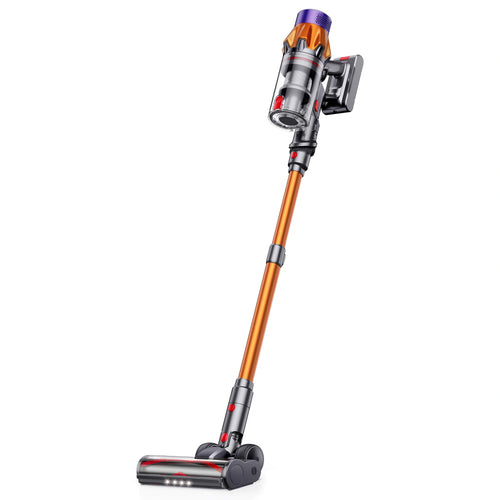
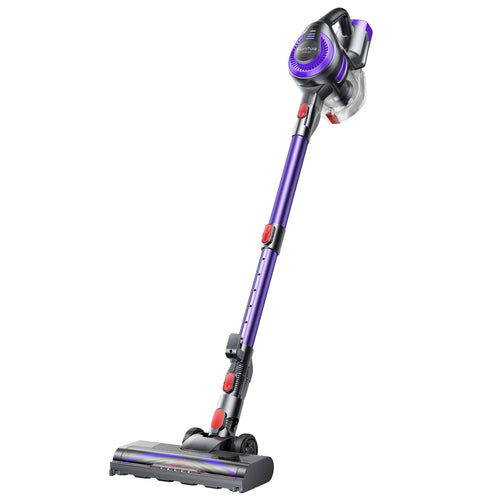
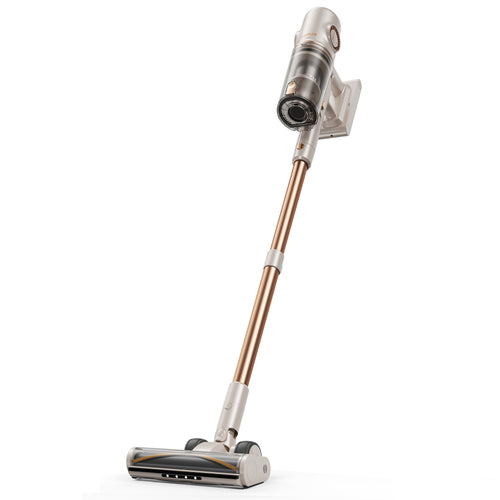
Cordless vacuum cleaners have become an essential cleaning tool in modern households. Their lightweight design, wireless convenience, and versatility make them ideal for daily cleaning tasks, especially in apartments and family homes. However, as with any electrical appliance, cordless vacuums can experience performance issues over time. Many users search online for answers to questions such as “Why is my cordless vacuum losing suction?”, “Why won’t my cordless vacuum turn on?”, or “How do I fix a cordless vacuum cleaner?”

How Cordless Vacuum Cleaners Work
Understanding how a cordless vacuum cleaner works makes troubleshooting much easier. While designs vary slightly across brands, most cordless vacuums share the same core components:
- Electric motor: Creates suction by spinning at high speed
- Lithium-ion battery pack: Supplies power to the motor
- Airflow system: Directs air, dust, and debris through internal channels
- Filtration system: Captures fine dust and allergens before air is expelled
- Brush roller and attachments: Agitate and collect debris from floors and surfaces
When any of these components becomes blocked, dirty, worn, or misused, performance issues can occur. Importantly, many problems are caused by maintenance-related factors, not permanent damage.

Most Common Cordless Vacuum Cleaner Problems and Solutions
Cordless Vacuum Loses Suction
Loss of suction is the most frequently reported cordless vacuum problem and a major search intent among users.
Common Causes
- Dust cup or bin is full
- Filters are clogged with fine dust
- Airway blockage caused by hair or debris
- Improper attachment installation
Solutions
- Empty the dust cup completely and wipe the interior
- Remove filters and clean them according to the manufacturer’s instructions
- Inspect the suction tube, brush head, and connectors for blockages
- Ensure all parts are securely reattached
Many modern cordless vacuums, including Honiture cordless vacuum cleaners, use washable multi-layer filtration systems. Regular cleaning helps maintain consistent airflow and suction efficiency.
Prevention Tips
- Empty the dust bin after every cleaning session
- Clean filters at least once every 1–2 weeks for heavy use
- Avoid vacuuming large debris that may clog the air path

Cordless Vacuum Won’t Turn On
A cordless vacuum that does not power on can be alarming, but the issue is often simple.
Common Causes
- Battery is completely discharged
- Battery not properly seated
- Overheat protection activated
- Electrical safety lock engaged
Solutions
- Fully charge the battery using the original charger
- Remove and reinstall the battery to ensure proper contact
- Allow the vacuum to cool down for 30–60 minutes
- Check the user manual for safety lock instructions
Cordless vacuums are designed with protective shutdown mechanisms to prevent motor or battery damage, which is a normal safety feature rather than a defect.
Battery Drains Too Quickly
Short battery runtime is one of the most common concerns users have with cordless vacuum cleaners.
Common Causes
- Continuous use of maximum power mode
- Natural lithium-ion battery aging
- Incomplete charging habits
- High resistance caused by dirty filters
Solutions
- Use standard or eco mode for routine cleaning
- Fully charge the battery before use
- Clean filters and airflow paths to reduce motor strain
- Store the vacuum in a cool, dry environment
Lithium-ion batteries naturally degrade over time. Under normal conditions, a cordless vacuum battery typically maintains good performance for 2–4 years, depending on usage frequency.

Brush Roller Not Spinning
A non-rotating brush roller significantly reduces cleaning effectiveness, especially on carpets.
Common Causes
- Hair and fibers tangled around the brush
- Debris blocking the brush motor
- Automatic overload protection triggered
Solutions
- Remove the brush roller and cut away tangled hair
- Clean the brush housing thoroughly
- Reinstall the roller securely and restart the vacuum
Many cordless vacuums automatically stop the brush roller to prevent motor damage when resistance is detected. This is a protective feature, not a malfunction.
Cordless Vacuum Overheats or Shuts Off Automatically
Unexpected shutdowns during use often indicate overheating.
Common Causes
- Blocked airflow
- Dirty filters
- Extended use at high power settings
Solutions
- Turn off the vacuum and unplug it
- Remove blockages and clean filters
- Allow the unit to cool before resuming use
Using a cordless vacuum within recommended time intervals helps preserve motor efficiency and battery health.

Less Common but Real Cordless Vacuum Issues
While less frequent, users may also encounter the following problems:
- Unusual noise caused by loose debris or worn components
- Dust leakage due to improperly installed filters
- Reduced carpet performance when using hard-floor attachments
- Trigger or button response issues caused by debris buildup
Most of these issues can be resolved through inspection, cleaning, and correct attachment use.
How to Prevent Cordless Vacuum Problems
Preventive maintenance is the most effective way to avoid performance issues.
Weekly Maintenance
- Empty dust bin
- Check brush roller for hair
Monthly Maintenance
- Wash and dry filters completely
- Inspect airflow channels
Long-Term Care
- Avoid storing with a fully depleted battery
- Keep away from extreme heat or humidity
- Use only compatible chargers
Honiture cordless vacuum designs emphasize easy disassembly and maintenance, allowing users to clean critical components without specialized tools.
Repair or Replace: When Is the Right Time?
Consider replacement if: - The motor has failed outside warranty - Battery replacement costs approach product value - Structural components are damaged
In many cases, simple maintenance restores performance, making replacement unnecessary.
Why Reliable Design Matters When Choosing a Cordless Vacuum
A well-designed cordless vacuum reduces the likelihood of common failures. Features such as sealed airflow systems, efficient filtration, and balanced motor design all contribute to long-term reliability. Brands like Honiture focus on practical engineering choices that prioritize durability and user-friendly maintenance rather than exaggerated specifications.

Conclusion
Most cordless vacuum cleaner problems are not signs of poor quality but results of normal wear, airflow blockage, or maintenance neglect. By understanding common issues and applying the solutions outlined above, users can significantly extend the lifespan and performance of their vacuum cleaners. With thoughtful design and proper care, cordless vacuums—such as those offered by Honiture—can remain reliable household cleaning tools for years.
FAQ
Why does my cordless vacuum lose suction so quickly?
Usually due to clogged filters or a full dust bin.
How often should I clean the vacuum filter?
Every 1–2 weeks for regular use.
Is it normal for a cordless vacuum to get warm?
Yes, moderate warmth is normal, but overheating indicates restricted airflow.
How long should a cordless vacuum battery last?
Most lithium-ion batteries last 2–4 years with proper care.
Are cordless vacuums suitable for pet hair?
Yes, when equipped with proper brush rollers and maintained regularly.